Ketamine Therapy is an emerging treatment option for reducing the symptoms of mental health conditions, such as treatment-resistant depression, anxiety, and PTSD. Ketamine is also used as a viable addiction treatment due to its rapid effects. Here’s how it can help with social media addiction.
Understanding Social Media Addiction
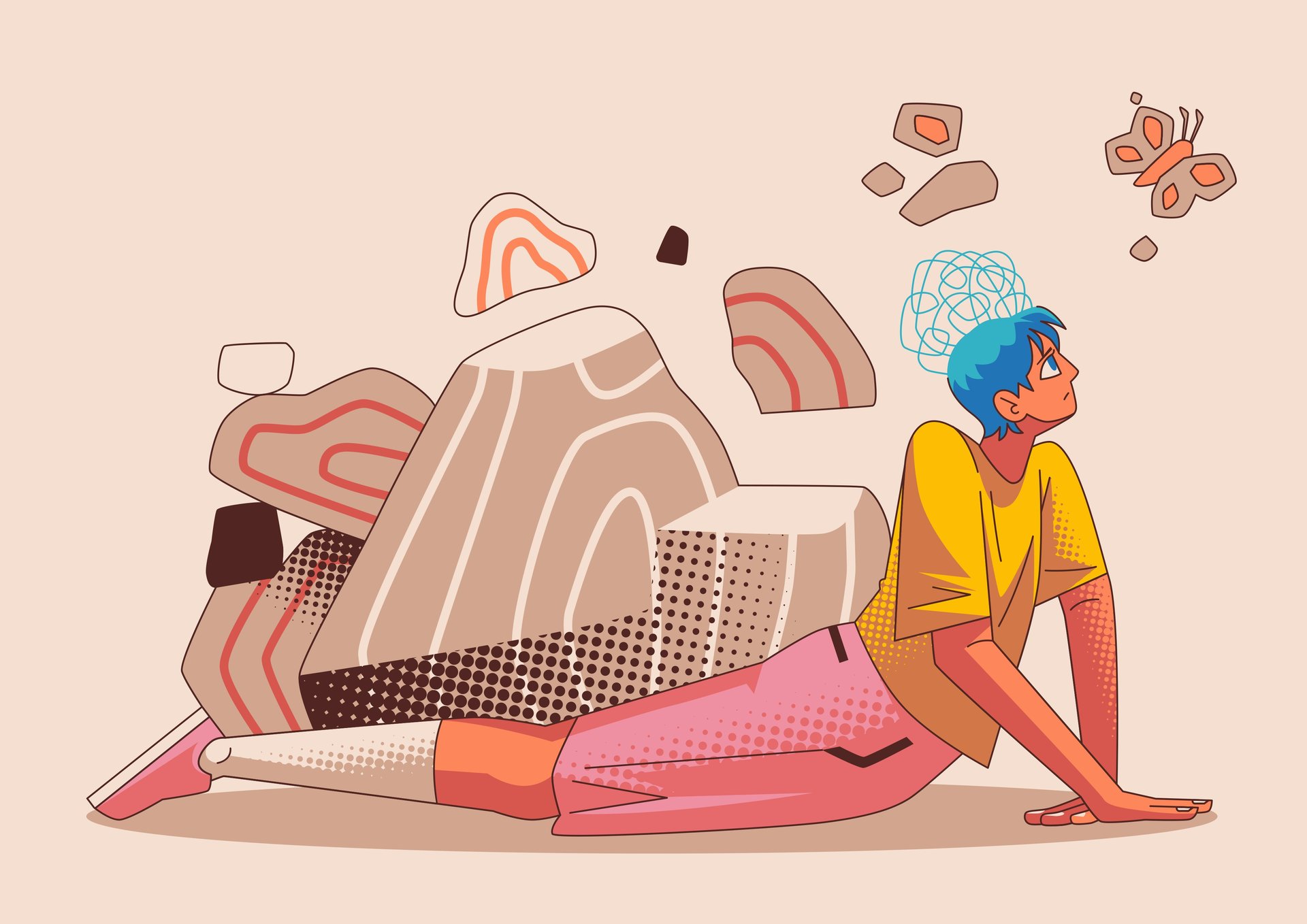
In the last decade, there has been an increase in people with social media addiction, mimicking similar patterns to gambling or substance use disorders. Excessive use of social media can impact your work life, distance you from loved ones, and decrease your quality of life.
Social media can produce psychological cravings influenced by various factors, such as fear of missing out, which leads to endless scrolling or receiving likes, comments, and notifications for instant gratification. Cravings and withdrawal symptoms are common addictive behaviors, changing the brain’s chemistry and influencing the dopamine loop. This makes it hard for addicts to break free from that cycle, as their cravings become a priority.
Many people use social media to cope with negative emotions and mental health problems, which can be the root of their addiction. With the rise of AI, people are more drawn to AI-driven spaces and chatbots, rather than reaching out to people around them. This creates a false sense of social engagement and community.
How Ketamine Can Help with Social Media Addiction
Ketamine is an anesthetic drug with dissociative effects. Nowadays, it’s used in Ketamine Therapy as an innovative treatment option for reducing the symptoms of various mental health conditions, such as depression and anxiety, due to its antidepressant effects. Ketamine works by blocking the NMDA receptors, causing a surge of glutamate in the brain, resulting in better mood regulation and neuroplasticity (the brain’s ability to form new connections). By doing so, people with addictions can break free from rigid thought patterns, reduce cravings, and dependence while learn healthy coping mechanisms.
Ketamine Therapy
Ketamine Therapy is an effective treatment option for people struggling with mental health conditions, as well as for those who are looking for personal growth and emotional healing. The treatment is conducted in a clinical setting by compassionate medical professionals.
Ketamine is administered intramuscularly (IM), intravenously (IV), or nasally, via Spravato. Intramuscular injections are the preferred way of administration due to fewer side effects. The effects can be felt within hours or days of the first session, compared to traditional antidepressants, which can take weeks or months to produce noticeable results.
A typical Ketamine Therapy session consists of three distinct phases:
- Preparation phase: Before the session starts, a Guide is there to prepare the patient through breathwork, setting intentions, and meditation, to reach the right mindset.
- Medication phase: A dose of ketamine is injected into the large muscle of the shoulder by a trusted medical professional. Patients are medically monitored throughout the ketamine session to ensure their safety.
- Integration phase: Patients receive grounding support and guidance after the session, which includes reflecting on emotions and insights for deeper healing. Integration can take the form of journaling, art therapy, or meditation to maximize the ketamine benefits and promote long-term healing.
A People-Oriented Treatment
Those struggling with this type of addiction can distance themselves from real-life connections and experience emotional dependence on social media apps or AI-driven tools. One of the key principles of Ketamine Therapy is that it’s conducted in a welcoming environment, by understanding professionals who are there to listen and help. This kind of support is needed when struggling with loneliness and underlying mental health problems.
Each patient undergoes a detailed medical and mental evaluation before receiving a personalized treatment plan, tailored to their needs. A typical treatment lasts from two to six weeks. Follow-up care and additional sessions are available depending on the treatment outcome.

Types of Ketamine Therapy Services
Kadelyx Health offers various ways to experience ketamine, each service created to suit unique preferences and therapeutic needs. Patients can choose between services such as:
Guided Ketamine Therapy: A ketamine treatment with extended preparation and integration phases for extra guidance led by a trusted professional. Ketamine is administered intramuscularly (IM) by injecting it into the large muscle of the shoulder.
Semi-Guided Ketamine Therapy: A balanced treatment of guidance and independence, led by a compassionate professional. Ketamine is administered intramuscularly (IM) or intravenously (IV).
IV Ketamine Infusions: A ketamine treatment administered intravenously (IV), with similar elements of Semi-Guided Therapy.
Couples Ketamine Therapy: For couples who want to rebuild their relationship and heal from addiction together. Ketamine is administered intramuscularly (IM) by injecting it into the large muscle of the shoulder.
Group Ketamine Therapy: For people struggling with addiction who want toheal in a supportive, group setting with up to 6 people per group. Ketamine is administered intramuscularly (IM) by injecting it into the large muscle of the shoulder.
Spravato Treatment (Esketamine): An FDA-approved nasal spray, self-administered under strict medical supervision. The treatment is sprayed into the nose 2-3 times, each spaced five minutes apart.
Break the Cycle Today
If you are struggling with addiction, book a free consultation at Kadelyx Health and learn more about the transformative effects of ketamine and how the treatment can help in your fight against addiction.