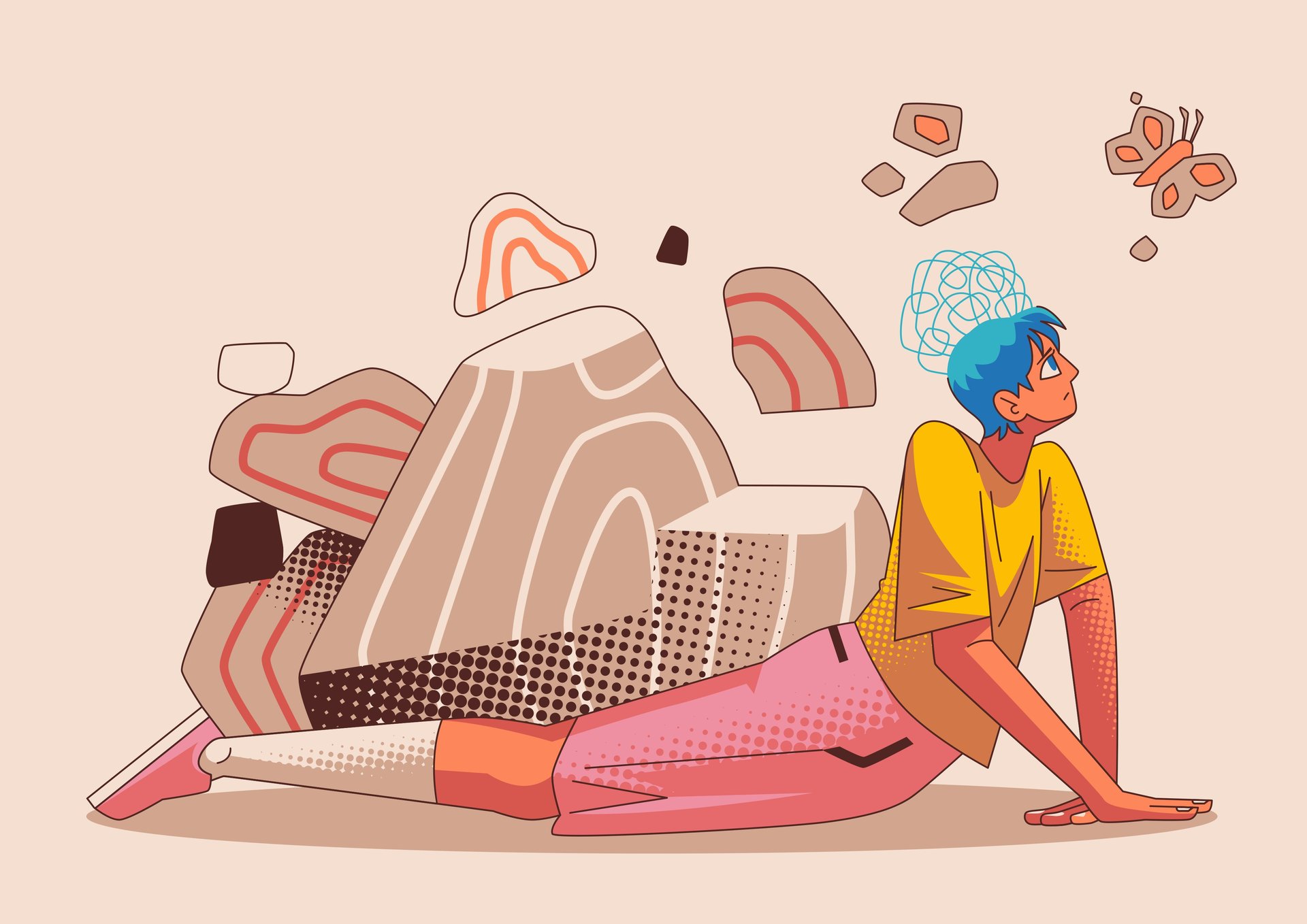
Ketamine therapy is a transformative treatment that can help alleviate symptoms of various mental states and conditions. A moral injury is a complex mental health condition that needs a personalized approach, which ketamine therapy can provide. Here’s everything you should know about this treatment and how it can help aid moral injury and offer long-term healing.
Understanding the Weight of a Moral Injury
Moral injury is a complex and often lasting psychological trauma that occurs after a person participates in or closely witnesses something that breaks their ethical code and deeply held moral beliefs. This can be portrayed as a psychological, social, and even spiritual form of trauma.
Symptoms of moral injury include feeling deep shame or guilt, anger, loss of trust, and isolation, which can ruin the individual’s professional and personal life. A lot of individuals also suffer from severe anhedonia, loss of interest and pleasure in activities that were once enjoyed. The most common cases are among military veterans, service members, healthcare workers, first responders, survivors of abuse, and anyone working high-risk jobs.
Individuals who suffer a moral injury can also have co-occurring conditions like anxiety, post-traumatic stress disorder (PTSD), and depression. Having a moral injury also raises the risk of suicidal ideation.
If you intend to harm yourself right now, please call 988, 911, or proceed to your nearest Emergency Department for immediate treatment.
Ketamine Therapy
Ketamine therapy is conducted in a safe, clinical setting by compassionate medical professionals. The treatment is divided into multiple sessions, which have three main phases, including:
- Preparation Phase: The participant undergoes mental preparation before the session. The Guide facilitates mindfulness exercises and meditations before the therapeutic experience begins to boost openness and calmness.
- Medicine Phase: When the participant is ready, the medical professional administers ketamine via injection or infusion. The dissociative state usually lasts between 40 minutes and 90 minutes. During this phase, participants can wear an eye mask and headphones for sensory deprivation.
- Integration Phase: The participant receives assistance and grounding support after the medicine phase for long-term recovery, but this can look different depending on the participants’ needs and preferences.
How Ketamine Therapy Can Help With Moral Injury?
Ketamine helps reduce the symptoms of anxiety, post-traumatic stress disorder, and depression, which can go hand in hand with a moral injury. Past participants report feeling symptom relief within hours or days of the first ketamine session. Ketamine is also suitable for individuals with treatment-resistant depression (TRD), who haven’t found relief from traditional antidepressants.
Ketamine is a fast-acting treatment administered in low doses by a medical professional. It works by blocking the N-methyl-D-aspartate (NMDA) receptors in the brain, causing a surge in glutamate. The substance itself can help boost neuroplasticity, the brain’s ability to form new connections, improving mood regulation and reducing negative thought patterns.
The goal of ketamine therapy is to combine medical and mental support, so that the individual can experience mental relief, learn healthy coping mechanisms, and build mental resilience for long-term recovery. The key to overcoming moral injury is to process emotions while practicing acceptance, self-love, and self-forgiveness. Ketamine therapy offers personalized integration techniques and mental support during each session.
Benefits of Ketamine Therapy
- A potential participant undergoes a detailed medical and mental evaluation
- A personalized treatment plan is created, tailored to specific needs and preferences
- The treatment is conducted in a safe, clinical space
- Multiple administration methods and guidance levels are available
- Each session is medically monitored
- Ketamine offers rapid symptom relief compared to traditional treatments
- Mental support and integration for long-term healing
- Follow-up support and bonus sessions are available

Different Types of Ketamine Therapy
Potential participants undergo detailed medical and mental evaluation to receive a personalized treatment plan. There are several ketamine therapy options, with different administration methods and guidance levels. The different types of treatments include:
Guided Ketamine Therapy: A one-on-one ketamine session with a compassionate Guide of choice. The preparation and integration phases are extensive, and ketamine is administered intramuscularly (IM) by injecting it into the large muscle of the shoulder.
Semi-Guided Ketamine Therapy: Consists of limited preparation and guidance led by a trusted professional who monitors the rest of the session outside the room. Ketamine is administered intramuscularly (IM) or intravenously (IV).
IV Ketamine Infusions: A ketamine treatment administered intravenously (IV), with similar elements as Semi-Guided Therapy.
Couples Ketamine Therapy: For couples who have shared or individual mental health problems. Ketamine is administered intramuscularly (IM), by injecting it into the large muscle of the shoulder.
Group Ketamine Therapy: For individuals seeking group healing with up to 6 people. Ketamine is administered intramuscularly (IM) by injecting it into the large muscle of the shoulder.
Start Your Healing Journey at Kadelyx
Dealing with something like a moral injury is like having an invisible wound, but healing is possible with the right help. Book a free consultation at Kadelyx Health and learn more about the effectiveness of ketamine.