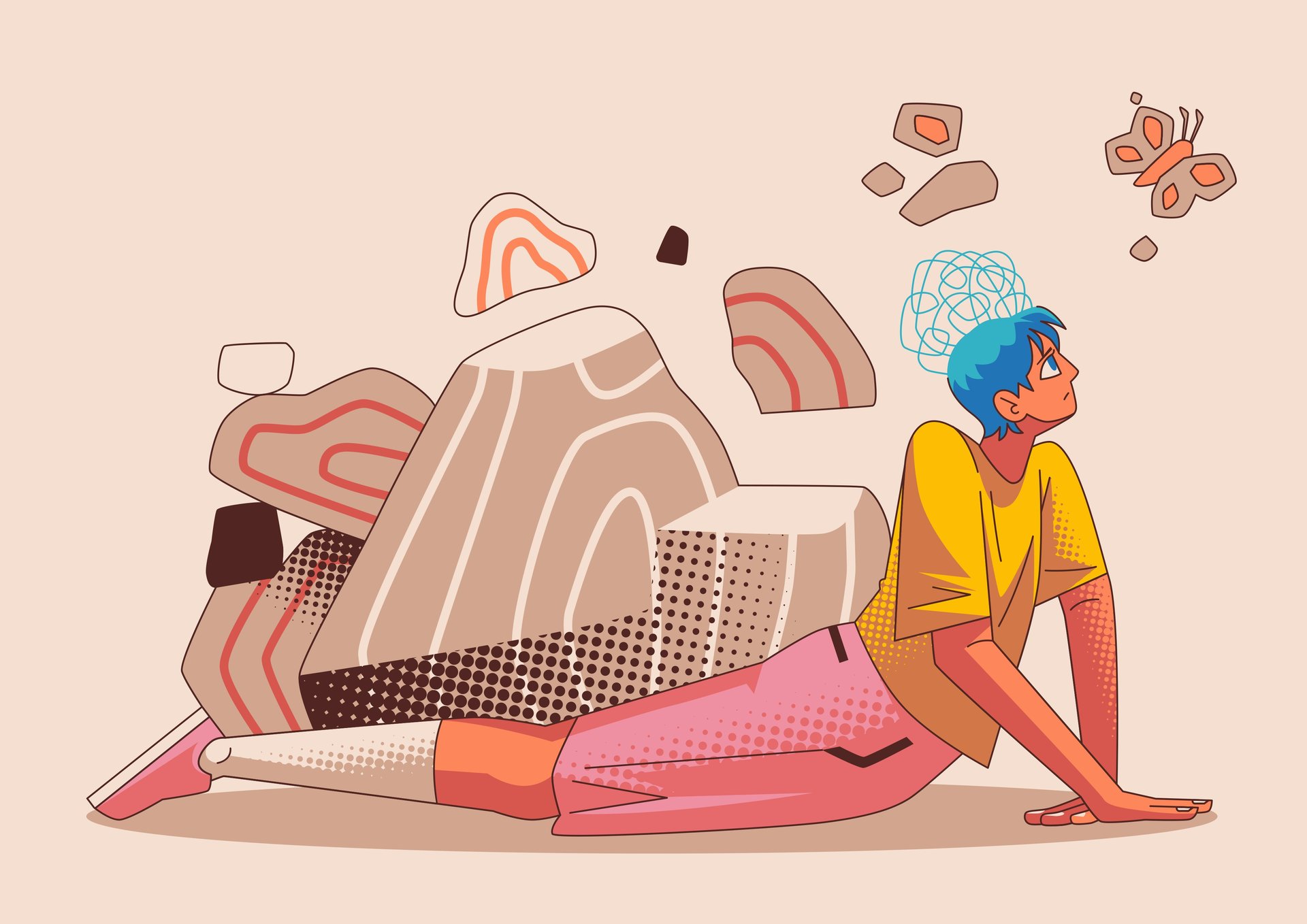
Living with PTSD may feel like carrying a heavy burden you won’t ever be free of, but that’s not the case. Many successfully overcame it or significantly reduced their symptoms and went on to live fulfilling lives.
Understanding Post-Traumatic Stress Disorder (PTSD)
Post-traumatic stress disorder (PTSD) is a mental health disorder caused by experiencing or witnessing a traumatic event. Left untreated, it can also develop into other conditions such as anxiety, depression, substance abuse, and suicidal thoughts.
Common symptoms of PTSD include:
- Intrusive, negative thoughts
- Nightmares and flashbacks of the event
- Hypervigilance and feeling on edge
- Avoidance of anything that reminds you of the event
- Anxiety and depression
The good news? PTSD can be treated, and many people recover or significantly reduce their symptoms after professional care. Psychiatry is the first line of treatment, either through psychotherapy sessions or via medications such as SSRIs or SNRIs. In cases where these don’t provide the relief needed, there are still options.
What Is Spravato?
Spravato is an FDA-approved nasal spray (sometimes used alongside an oral antidepressant) developed to treat treatment-resistant depression. It’s made of esketamine, one of the mirror-image molecules that make up ketamine.
Since PTSD and depression share significant underlying dysregulation, Spravato is showing promise as a treatment option for PTSD, too.
While Spravato may effectively treat PTSD, it is considered an off-label use. Insurance companies do not reimburse for Spravato for PTSD as the primary diagnosis.
How Spravato Helps With Depression and PTSD
Spravato was able to help psychiatric patients struggling with depression, where other, more conventional methods have failed. Because depression and post-traumatic stress disorder share significant underlying dysregulation, Spravato has also helped people with PTSD shake the weight they’ve been carrying and move forward.
The reason why Spravato works where traditional SSRIs or SNRIs have failed is that it affects glutamate instead of targeting serotonin or norepinephrine. By boosting glutamate levels, Spravato stimulates the prefrontal cortex, the brain area responsible for emotional regulation and fear extinction.

Benefits of Spravato for PTSD Treatment
Experiences vary, and not everyone is the right candidate for Spravato therapy. Those who can find it life-changing. Common benefits reported are:
- Faster onset of effects, compared with conventional methods
- Relief where other options failed due to a different mechanism of action
- Improved engagement in therapy, as symptoms feel less overwhelming
- A structured, supportive clinical environment with professional help
It doesn’t have to be an either-or solution. Spravato can accompany traditional ways of treating PTSD, like therapy or medication.
Spravato vs Traditional PTSD Treatment Methods
When you’re weighing in options, seeing them in a side-by-side comparison helps. Take a look at how Spravato therapy compares with traditional PTSD treatments like SSRIs or SNRIs and psychotherapy, like Cognitive Processing Therapy (CPT) and Eye Movement Desensitization and Reprocessing (EMDR).
| Treatment | Spravato (Esketamine) | SSRIs / SNRIs | Pychotherapy |
| How It Works | Targets glutamate via NMDA receptors | Regulates serotonin or norepinephrine | Restructures thought patterns through guided sessions |
| Onset of Effects | Hours to days | Several weeks | Weeks to months |
| Administration | Nasal spray, in-clinic only | Daily oral medication | Weekly or bi-weekly sessions |
| Duration of Treatment | Twice weekly for 4 weeks, once weekly for 4 weeks, then maintenance sessions as needed | Several months to years | Typically 3 months; ongoing as needed |
| Insurance Coverage | Not covered for PTSD (only treatment-resistant depression) | Typically covered | Typically covered |
| Best Suited For | Treatment-resistant cases with co-occurring depression and anxiety | Mild to moderate PTSD; first-line treatment | Skill-building and processing |
| Potential Side Effects | Nausea, dizziness, dissociation, and increased blood pressure | Nausea, fatigue, weight gain, and sexual dysfunction | No physical side effects; may temporarily increase emotional distress during processing |
| Black Box Warning | None | Some antidepressants carry an increased risk of suicide (under 25) | None |
Spravato doesn’t necessarily have to replace traditional approaches. They can co-exist and work side by side in helping patients move forward.
How We Administer Spravato to Patients With PTSD
At Kadelyx, we go by the “set and setting” concept, which means that where and how a treatment happens shapes the outcome just as much as the treatment itself. Our clinical space has all the amenities of a clinic, but it looks and feels nothing like it.
We provide a safe and calm space where up to six patients at a time can relax and administer the nasal spray on their own. After the session, our patients stay under our supervision for 2 hours to ensure their well-being.
You can use this time to reflect and ground yourself. Our professional team will be there to support and guide you every step of the way because healing doesn’t happen in a vacuum, and we don’t treat it like it does.
Support for What You’ve Been Carrying
Going through life carrying the weight of PTSD is overwhelming. If what you have tried so far hasn’t really worked for you, you should know that there are still options available. Book your free consultation with Kadelyx. We’re here to listen, answer your questions, and help you explore whether Spravato treatment is the right way forward for you.