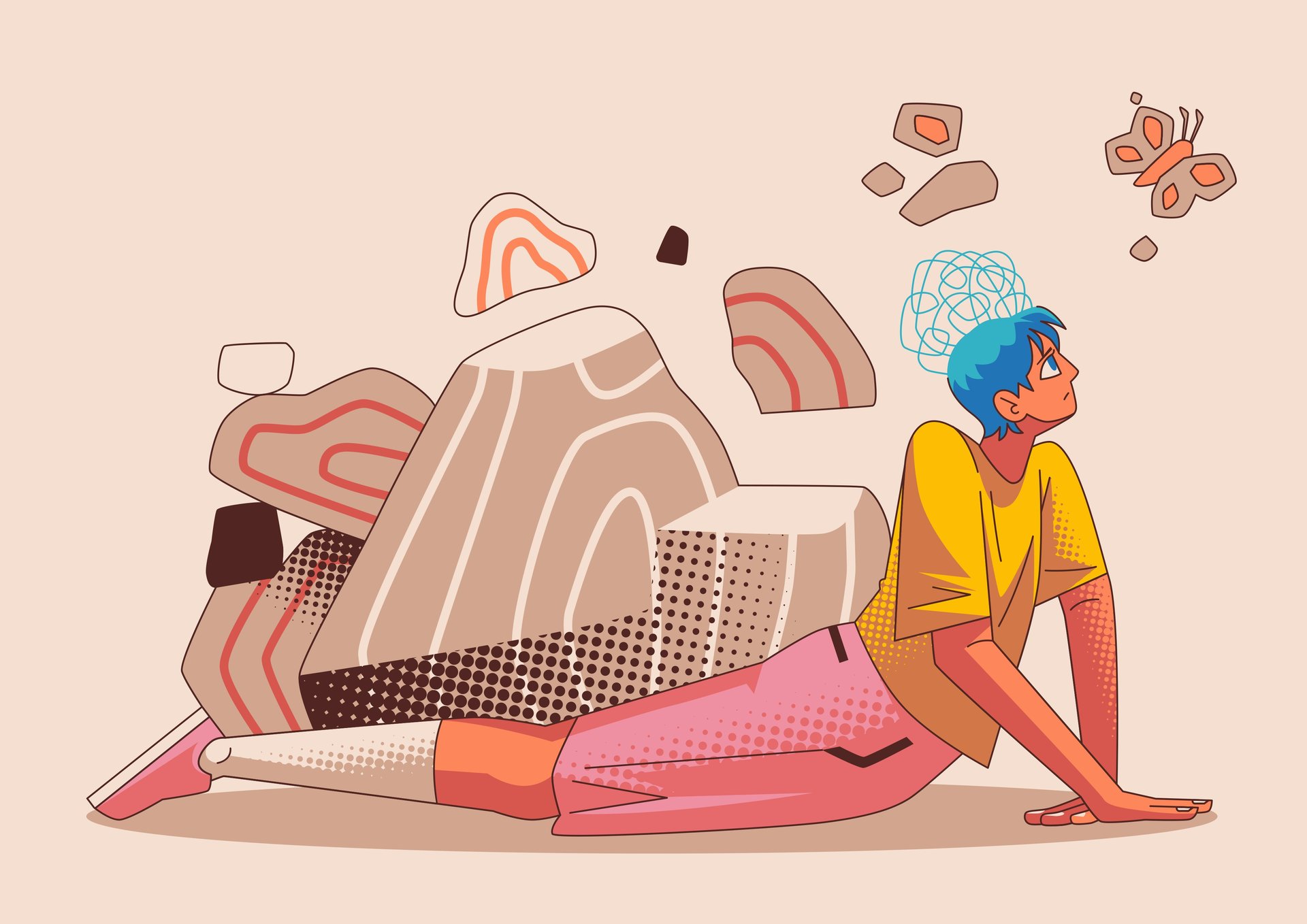
Some mental health conditions are more complex, with individuals not responding to traditional treatment. Here’s how emerging therapies can help with the symptoms of depression and PTSD, like Ketamine Therapy, which is already being practiced, and MDMA-assisted therapy, which is still being studied.
Ketamine Therapy
Ketamine Therapy is an innovative treatment for relieving symptoms of various mental health conditions, such as treatment-resistant depression (TRD), anxiety, and post-traumatic stress disorder (PTSD). The treatment is conducted in a safe, clinical environment by a team of licensed professionals.
A typical ketamine therapy session involves three main phases, including:
- Preparation Phase: A compassionate Guide is there to prepare the participant before the session by setting intentions, doing breathwork, and meditation.
- Medicine Phase: Ketamine isadministered by an IM injection into the large muscle of the shoulder by a medical professional, or by an infusion. The participant is medically monitored during and after this phase. Most participants recall the experience as being in a dream-like state.
- Integration Phase: During this phase, the participant receives guided integration in the form of grounding support, journaling, art therapy, and meditation. This can help the participants reflect on newly obtained insights for long-term recovery.
During the session, the participant can wear an eye mask and headphones to feel more relaxed and comfortable.
How Ketamine Affects the Body
Ketamine is an anesthetic drug known for its dissociative properties. It works by blocking the N-methyl-D-aspartate (NMDA) receptors in the brain, causing a surge in glutamate, instead of targeting serotonin or norepinephrine like traditional antidepressants. Ketamine can boost neuroplasticity (the brain’s ability to form new connections), improve mood regulation, and reduce negative thought loops that are common occurrences in various mental health disorders.
Due to its rapid symptom relief, it can be a more suitable option for some people, compared to traditional antidepressants, which can take weeks or months to start working.
Different Ketamine Therapy Services
The specific needs and preferences of each participant are taken into consideration when choosing the right ketamine service for them. Kadelyx Health offers personalized treatment plans and services that have specific administration methods and guidance levels, including:
Guided Ketamine Therapy: A one-on-one ketamine session with a compassionate Guide of choice. The preparation and integration phases are extensive, and ketamine is administered intramuscularly (IM) by injecting it into the large muscle of the shoulder.
Semi-Guided Ketamine Therapy: Consists of limited preparation and guidance led by a trusted professional who monitors the rest of the session outside the room. Ketamine is administered intramuscularly (IM) or intravenously (IV).
IV Ketamine Infusions: A ketamine treatment administered intravenously (IV), with similar elements as Semi-Guided Therapy.
Couples Ketamine Therapy: For couples who have shared or individual mental health problems, looking to rebuild their relationship and heal together. Ketamine is administered intramuscularly (IM), by injecting it into the large muscle of the shoulder.
Group Ketamine Therapy: For individuals seeking group healing with up to 6 people. Ketamine is administered intramuscularly (IM) by injecting it into the large muscle of the shoulder.
Spravato Treatment (Esketamine): An FDA-approved nasal spray, self-administered under clinical supervision. The treatment is sprayed into the nose 2-3 times, with each spray spaced 5 minutes apart.
MDMA
Methylenedioxymethamphetamine (MDMA) is considered a psychedelic due to its mind-altering effects. MDMA is currently an illegal Schedule I drug, acting as a stimulant, empathogen, as well as mild hallucinogen. It has a moderate potential for abuse and addiction, making it a substance that required close monitoring. There are ongoing studies on psychedelic-assisted therapies involving psychotherapy and drugs like psilocybin, as well as MDMA, in treating conditions such as PTSD in controlled, clinical settings. So far, the U.S. Food and Drug Administration (FDA) hasn’t approved MDMA as a treatment option for any mental health condition, it’s considered a breakthrough therapy, still in early stages of development and clinical trials.

Ketamine Therapy vs MDMA Therapy
| Type of Therapy | Ketamine | MDMA |
| Method of Administration | IM, IV, Nasal | Oral |
| Clinical Supervision | Yes | Yes |
| Dosage | Precise dose | Varies depending on the study |
| Duration of Session | Two to three hours | Few hours |
| Duration of Treatment | Typically six sessions (two to six weeks) with booster sessions if needed | One to three sessions |
| Regulatory Consideration | Off-label (ketamine) FDA-approved (esketamine) | Not FDA-approved |
Benefits of Ketamine Therapy
- Suitable for treatment-resistant conditions
- Rapid symptom relief compared to traditional treatments
- Personalized treatment plans
- Guidance and preparation by compassionate professionals
Ketamine Therapy Cost
The cost of Ketamine Therapy in Phoenix, Arizona, depends on the service and session type. Spravato is covered by BlueCross BlueShield of Arizona (BCBSAZ), UHC, Aetna, and Cigna insurance.
The main difference between ketamine and MDMA is that ketamine is a controlled substance for therapeutic use, while MDMA is not. Book a free consultation at Kadelyx Health and learn more about the transformative effects of ketamine.