Hearing that you may be a candidate for “more intensive” depression treatment can feel like a turning point, and not always a comforting one. If electroconvulsive therapy (ECT) has come up in a conversation with your healthcare provider, it’s natural to feel some hesitation, especially given how it’s been portrayed in film and television for decades.
Understanding what it really is and how it compares to other options, like Spravato, can help you make sense of where each treatment fits, and why ECT carrying more history doesn’t necessarily mean it’s your only or best next step.
Treatment-Resistant Depression: When Standard Treatment Isn’t Enough
Treatment-resistant depression (TRD) affects a significant portion of people living with major depressive disorder. By some estimates, up to a third of patients don’t achieve remission even after multiple antidepressant trials.
For decades, electroconvulsive therapy has been considered the gold standard for this population, and it remains one of the most studied and effective interventions in psychiatry. But it’s also one of the most underused, in part due to its side effect profile and in part due to the stigma that surrounds it.
Spravato (esketamine) emerged more recently as a different kind of option for the same population, one with a considerably different experience, side effect profile, and day-to-day realities for patients. Neither treatment is inherently “better.” They’re built differently, and they ask different things of the people who use them.
What Is Electroconvulsive Therapy (ECT)?
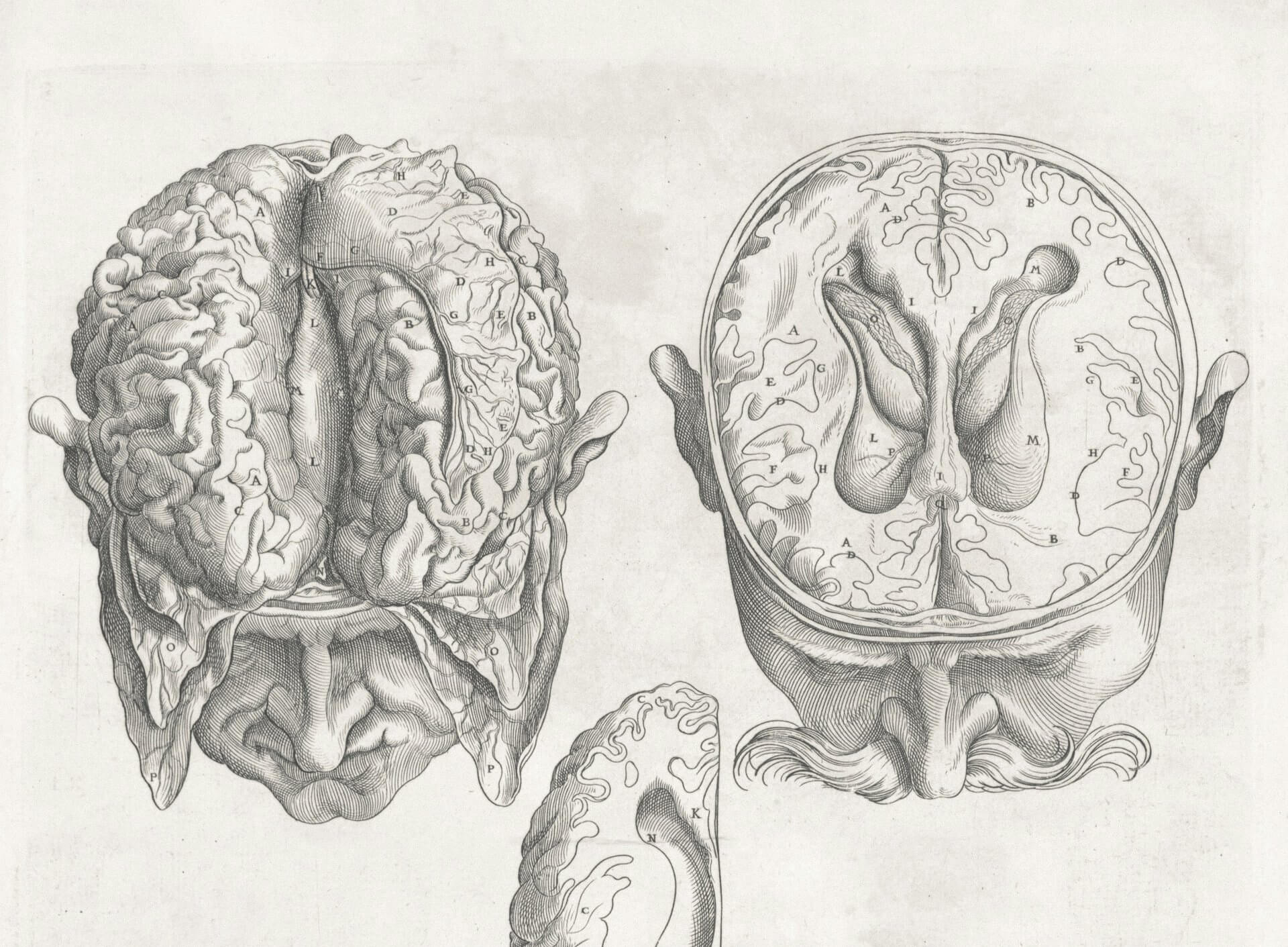
Electroconvulsive therapy involves inducing a brief, controlled seizure in the brain through electrical stimulation, administered under general anesthesia. It’s been used for nearly 75 years and has an extensive evidence base behind it. A typical course involves multiple sessions over several weeks, usually two to three times per week.
ECT’s effectiveness is well established. Research consistently shows it produces great improvement in depressive symptoms, often in patients who haven’t responded to anything else. Its most significant drawback is cognitive. Memory loss is one of the most commonly reported side effects, including both short-term confusion after treatment and, in some cases, longer-lasting retrograde amnesia affecting memories from around the time of treatment.
What Is Spravato (Esketamine)?
Spravato (esketamine) is an FDA-approved nasal spray for treatment-resistant depression and major depressive disorder with acute suicidal ideation. It’s administered in a certified clinical setting without general anesthesia. Sessions are shorter, the recovery period is measured in hours rather than days, and patients remain conscious and able to communicate throughout.
It works through a different mechanism than ECT in that it doesn’t induce a seizure but instead acts on the brain’s glutamate system by blocking NMDA receptors and supporting neuroplasticity. This produces antidepressant effects that some patients notice within hours to days.
Where ECT Has the Edge
The clinical evidence here is strong. In use for nearly 75 years, ECT remains a highly effective option for many patients with the most severe, persistent depression, and it has decades more research behind its remission rates.
ECT may be the more appropriate choice if:
- Your depression is severe enough that the fastest, most robust symptom reduction is the priority
- You’ve already tried esketamine or ketamine-based treatment without sufficient relief
- Your symptoms include features like psychosis or catatonia, where ECT has particularly strong evidence
- Your care team believes the strength of ECT’s track record outweighs its cognitive trade-offs in your specific case
Where Spravato Has the Edge
What Spravato offers in return is a significantly different day-to-day experience. Spravato tends to perform better on cognitive measures. That includes attention, verbal memory, and executive function, with patients generally not experiencing memory disruption associated with ECT.
Spravato doesn’t require general anesthesia, sessions are shorter, and most patients are able to resume normal activity the same day, once cleared after the observation period.
Spravato may be a better starting point if:
- You haven’t yet tried ketamine-based treatment as part of your TRD history
- Cognitive side effects, particularly memory, are a significant concern for you
- You want a treatment that doesn’t require general anesthesia for each session
- You’re looking for a treatment that fits more easily around work, caregiving, or daily responsibilities

Spravato vs. ECT at a Glance
Here’s how the two treatments compare across the factors that tend to matter most to patients.
| Spravato | ECT | |
| Mechanism | Blocks NMDA receptors and supports neuroplasticity | Induces a controlled seizure via electrical stimulation |
| Anesthesia required | No | Yes, general anesthesia for each session |
| Session length | 10 minutes of administration and 2 hours of observation | 60 to 90 minutes and typically longer recovery |
| Typical course | Twice weekly for 4 weeks, once weekly for 4 weeks, then maintenance sessions as needed | 2–3 times weekly for several weeks |
| Acute symptom relief | Effective, sometimes within hours to days | Generally stronger in the acute phase |
| Cognitive side effects | Minimal; better performance on memory and attention measures in comparative studies | Most common drawback; can include short- and longer-term memory disruption |
| Recovery per session | Hours | Often covers the rest of the day |
| Day-to-day fit | Easier to fit around work and caregiving | More disruptive due to anesthesia and recovery time |
| History of use | FDA-approved since 2019 | In use for nearly 75 years |
The Honest Middle Ground
Both of these treatments are effective and evidence-based, and neither one is objectively better. For some patients, this isn’t an either-or decision at all. Spravato may be tried first, with ECT considered later if symptoms don’t sufficiently improve, or the two may be used at different points across a longer treatment journey.
Let’s Talk Through What Makes Sense for You
If you’ve reached the point where standard antidepressants haven’t worked and more intensive treatment is part of the conversation, that’s a difficult place to be, and you shouldn’t have to sort through the options on your own. Book your free consultation with the Kadelyx care team, and let’s figure out together what the right next step looks like for you.