You’ve probably heard the word “psilocybin” thrown around lately. It may have been in headlines, podcasts, or late-night conversations with friends who “know someone” who tried it. That kind of attention can be hopeful and confusing at the same time, especially when you’re tired from struggling, and what you really want is a straight answer about whether it’s real, whether it’s safe, and whether you could even access it. That’s what we’re bringing.
What Is Psilocybin Therapy?
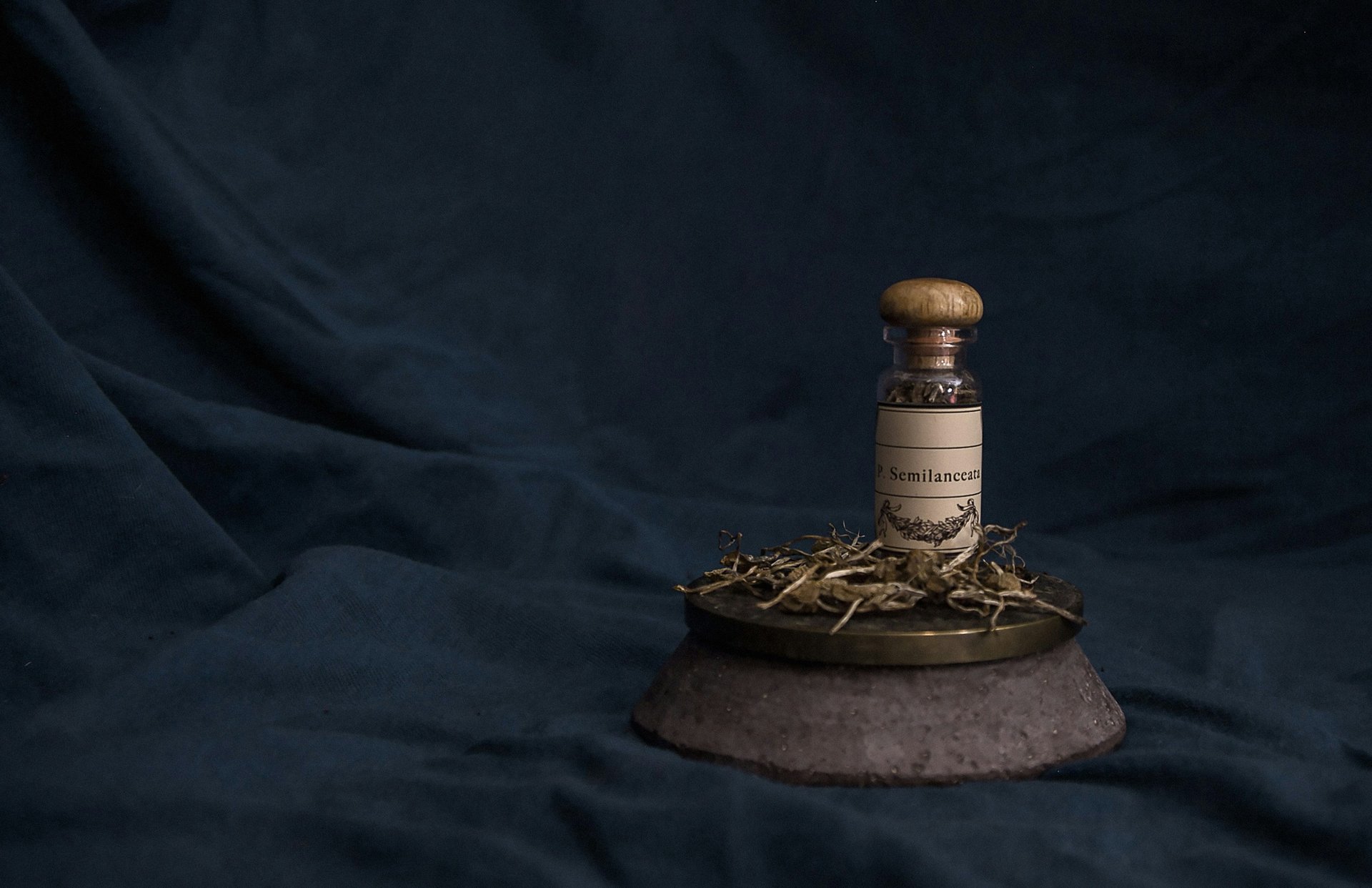
Psilocybin is a naturally occurring compound found in what is colloquially called “magic mushrooms.” When psilocybin is ingested, the body converts it into psilocin, the substance responsible for its psychoactive effects. For clinical use, researchers typically work with a synthetic, pharmaceutical-grade version instead of mushrooms themselves, which allows for precise, consistent dosing.
Psilocybin belongs to a class of compounds called classic psychedelics, alongside LSD and DMT. Taken at a clinical dose, it produces several hours of altered perception, emotion, and thought, along with a reduced sense of separation between self and surroundings that researchers often refer to as ego dissolution.
A typical course of psilocybin therapy in clinical research looks like this:
- Careful screening beforehand to make sure the treatment is appropriate for your history and health.
- One or more preparation sessions, where you meet your therapist or facilitator and talk through what to expect.
- A dosing session lasting several hours, in a calm, monitored setting with trained support present throughout.
- Follow-up integration sessions, where you talk through the experience and how it connects to your daily life.
How Psilocybin Therapy May Work
Psilocybin acts mainly on serotonin receptors in the brain, particularly one called the 5-HT2A receptor, which is involved in mood, perception, and how we process information. Researchers are exploring whether this action temporarily loosens rigid patterns of thinking, the kind of repetitive, hopeless loops that so many people with depression describe, and makes room for new perspectives to take hold.
That said, the full mechanism is still being studied. Researchers have proposed several explanations, including effects on brain connectivity and neuroplasticity, but no single explanation has been settled. What the clinical trials are showing is that something significant does happen, but the precise “why” is still being mapped.
A Brief History of Psilocybin Research
This isn’t as new a story as the headlines might suggest. Psilocybin was studied pretty actively in psychiatry in the 1950s and 60s, before political and cultural backlash against psychedelics led to its criminalization in 1970 and a decades-long freeze on research.
Interest spiked back in the early 2000s, led by institutions like Johns Hopkins University and Imperial College London, and has accelerated sharply since the late 2010s as trial results have accumulated. In other words, the current wave of attention rests on decades of careful, if interrupted, groundwork.
What the Evidence Says
While some conditions are already in late-stage FDA trials, others are still early-stage experiments with tiny sample sizes. Here’s the realistic map of where the research stands for each condition.
Depression, Including Treatment-Resistant Depression
This is where the research base is deepest. In a landmark 2016 Johns Hopkins trial, patients with life-threatening cancer and significant depression or anxiety saw substantial, lasting improvement after a single high dose of psilocybin, with roughly 80 percent showing a clinical response at six months.
More recent work has focused specifically on treatment-resistant depression, using a synthetic formulation called COMP360, developed by the company Compass Pathways.
- Phase 2b (2022): Published in the New England Journal of Medicine, this trial found that a single 25 mg dose reduced depressive symptoms significantly more than a 1 mg comparison dose after three weeks, though a middle 10 mg dose did not show the same significant effect, and the difference in sustained response at 12 weeks was not statistically significant.
- Phase 3, COMP005 (2025): The first pivotal trial met its primary endpoint, with a single 25 mg dose significantly reducing depression severity compared with a low-dose comparison at six weeks.
- Phase 3, COMP006 (2026): A second pivotal trial found that two 25 mg doses, given three weeks apart, produced a statistically significant and clinically meaningful improvement over the comparison dose at six weeks, with benefits holding through 26 weeks for people who responded.
Two caveats apply here. Most of this phase 3 data has been reported by the sponsor rather than published in full peer-reviewed form so far. And because psilocybin’s effects are so noticeable, it’s genuinely difficult to keep participants from guessing which group they’re in, which complicates how tightly “blinded” these trials really are.
Anxiety and Distress in Serious Illness
Alongside the depression findings, the same early trials found significant and lasting reductions in anxiety among people facing a life-threatening cancer diagnosis, with many participants also reporting less fear of death and improved quality of life. This remains one of the more promising and increasingly replicated findings in the psilocybin literature.
Substance Use Disorders
Early research here is promising but earlier-stage than the depression work. A small but notable trial found that psilocybin-assisted therapy helped significantly reduce heavy drinking in adults with alcohol dependence. Separate research, including long-term follow-up from Johns Hopkins, has found encouraging results for quitting smoking.
Systematic reviews describe the overall evidence for substance use disorders as promising but still limited, largely because most existing studies are small, open-label, or not placebo-controlled, meaning larger, more rigorous trials are still needed before firm conclusions can be drawn.
OCD, PTSD, and Other Conditions
Pilot studies have found that psilocybin can reduce symptoms in obsessive-compulsive disorder, and Compass Pathways has completed early-phase safety research in PTSD, though this work is considerably earlier-stage than the depression program and hasn’t yet reached the same level of evidence.
Research into these and other potential uses is ongoing, and if either of these describes what you’re dealing with, look at this as a promising direction and not as an established treatment.
So…Is Psilocybin Therapy Safe?
Wondering whether this treatment is safe is a fair and important question, and the answer is reassuring, but with caveats attached. In supervised, clinical settings with careful participant screening, psilocybin has generally shown a favorable safety profile.
A systematic review of 16 studies in psychiatric and substance-use populations found the most common side effects were transient nausea and headache, along with frequent short-lived anxiety and modest, temporary increases in blood pressure and heart rate.
That review reported no cases of psilocybin-induced psychosis or hallucinogen persisting perception disorder (HPPD), a rare condition involving lingering perceptual changes. A larger, more recent review of 42 studies found serious adverse events to be uncommon overall, occurring in just 2 of the 42 studies and limited to participants who already had underlying depressive disorders.
Clinical trials typically exclude people at higher risk, including those with:
- A personal or family history of psychosis, schizophrenia, or bipolar disorder
- Uncontrolled high blood pressure or significant cardiovascular disease
- Certain medications that could interact with treatment
- Active, unmanaged substance use disorders
Almost every trial so far has had one built-in weak spot— it’s really hard to keep people in the dark about what they took. Blinding is the standard trick researchers use to keep results honest, which means neither the patient nor the person measuring outcomes is supposed to know who got the real drug and who got the placebo, so nobody’s expectations sneak into the results.
But psilocybin kind of blows its own cover. When you’re seeing colors that don’t exist, you know pretty fast you didn’t get a sugar pill. So even in trials labeled “double-blind,” most people can guess which group they’re in (and so can the person measuring).
Researchers have a name for this: “functional unblinding.” It doesn’t mean the results are insignificant, but it does mean expectation effects are hard to fully rule out, and it’s a limitation the whole field is still working to address.
Where Things Stand Today in Terms of Availability
“Research shows promise” and “you can legally access this” are two different things, even when the headlines blur them together. Psilocybin remains a Schedule I controlled substance federally, meaning it isn’t legal or FDA-approved outside research.
Access currently happens through a few narrow channels:
- Clinical trials: The main route within the medical research system.
- Oregon: Where licensed service centers have offered supervised psilocybin sessions to adults 21 and older since 2023, a wellness model separate from medicine
- Colorado: Where adults 21 and older can access psilocybin through a state-regulated natural medicine program at licensed healing centers.
- New Mexico: Passed a medical psilocybin law in 2025, with qualifying conditions including treatment-resistant depression, PTSD, substance-use disorders, and end-of-life care. The Department of Health currently aims to enroll its first patients by the end of 2026, while the statute requires implementation by the end of 2027.
On the federal front, Compass Pathways has been working with the FDA through a rolling review process for COMP360 and received a priority voucher (National Priority Voucher) in April 2026 that could shorten review to one to two months once a complete application is filed, expected in the fourth quarter of 2026.
That’s a big milestone, but not an approval, and any U.S. approval would still require separate rescheduling by the DEA before it could be prescribed.
Because rules in this space change quickly and vary significantly by country and by state, anyone considering any access route should verify current regulations directly instead of relying on any single source, including this one.
Where This Leaves You
Being curious about psilocybin doesn’t mean you have to choose it, and being cautious about it doesn’t mean you’re closing a door.
Psilocybin’s evidence base is one of the more promising developments in psychiatric research in recent years, particularly for treatment-resistant depression, major depressive disorder, and distress tied to serious illness. But despite the promising research, psilocybin is not yet an FDA-approved medical treatment in Arizona, the U.S., or most of the world.
There are limited legal, state-regulated pathways to access psilocybin services in places such as Oregon and Colorado, but these are not the same as receiving an FDA-approved medical treatment.
If you’re wondering whether psilocybin could someday be relevant to your care, or you want to look into other psychedelic-assisted therapy options that are legal and available, like ketamine therapy, that’s a conversation best had with a clinician who knows your full mental health picture, including what you’ve already tried and how your body and mind responded.
We’re Here When You’re Ready to Talk
Whether you’re researching psilocybin out of curiosity or trying to understand your options for treatment-resistant depression today, our team at Kadelyx is happy to talk it through. We’re happy to answer questions and explain what treatment options available now could look like for you. Book a free consultation with the Kadelyx care team whenever it feels right, knowing it comes with no commitment attached.